Is Back-to-School Anxiety Normal? What Parents Should Know
As summer comes to an end and a new school year begins, many children and teens experience a mix of excitement and anxiety. New teachers, new classmates, changing schedules, increased academic expectations, and simply getting back into a routine can feel like a lot.
For some children, back-to-school worries may look like asking repeated questions about their teacher or schedule. Others may become more irritable, have trouble sleeping, complain of stomachaches, or suddenly say they do not want to go to school.
As a parent, it can be difficult to know what is simply a normal adjustment and when anxiety may be a sign that your child needs some additional support.
The good news is that some back-to-school anxiety is completely normal. The important question is not necessarily whether your child feels anxious, but how much the anxiety is affecting their ability to function and adjust.
Why Do Children Get Anxious About Going Back to School?
Starting a new school year involves a lot of change, even when a child is returning to the same school.
Children and teens may be thinking about:
- Who will be in their class
- Whether they will like their teacher
- Academic expectations
- Homework and tests
- Making or maintaining friendships
- Fitting in socially
- Sports and extracurricular activities
- Changing schools or starting middle or high school
- Navigating a new schedule
- Being away from a parent or caregiver
- Bullying or previous negative school experiences
Older children and teenagers may also feel pressure related to grades, college preparation, sports performance, appearance, friendships, and social media.
Even children who generally enjoy school can experience anxiety during this transition.
What Does Normal Back-to-School Anxiety Look Like?
A certain amount of nervousness before school starts is expected.
Your child may tell you that they are worried about their teacher, wonder whether their friends will be in their classes, or have difficulty falling asleep the night before school.
Younger children may need some extra reassurance or have more difficulty separating from a parent during the first few days.
For most children, these feelings begin to decrease as they become familiar with their classroom, teacher, schedule, and routine.
The key is that the child is still able to go to school, participate in activities, and gradually adjust despite feeling nervous.
Signs Back-to-School Anxiety May Need More Attention
Sometimes anxiety does not improve once school begins. Instead, it may become stronger or begin interfering with everyday life.
Parents may notice:
- Frequent stomachaches, headaches, or other physical complaints before school
- Difficulty falling asleep or staying asleep
- Increased irritability or emotional outbursts
- Crying or becoming extremely distressed before school
- Repeatedly asking to stay home
- Difficulty separating from a parent or caregiver
- Avoiding school-related activities
- Frequent visits to the school nurse
- Excessive reassurance seeking
- Significant worry about grades or making mistakes
- Changes in eating or sleeping patterns
- Withdrawal from friends or activities
- Panic symptoms
- School refusal
One difficult morning does not necessarily mean that something is wrong. What matters is the frequency, intensity, duration, and impact of the symptoms.
If anxiety is consistently interfering with school attendance, sleep, friendships, family life, or your child's ability to participate in normal activities, it may be time to look more closely at what is happening.
Back-to-School Anxiety Can Look Different in Teens
Teenagers do not always say, "I'm anxious."
Instead, anxiety may show up as irritability, procrastination, avoidance, perfectionism, difficulty sleeping, shutting down, or becoming overwhelmed by assignments.
A teen may repeatedly say that they are tired or do not care about school when they are actually worried about failing, fitting in, managing their workload, or disappointing someone.
This is one reason it is important to look beyond the behavior and become curious about what may be driving it.
Rather than immediately focusing on getting rid of the behavior, ask: What is making this difficult right now?
How Parents Can Help With Back-to-School Anxiety
Parents can play an important role in helping children feel more confident as they transition back to school.
Reestablish routines
Begin returning to school-year sleep and morning routines as early as possible. Predictability can help reduce anxiety because children know what to expect.
Listen before trying to fix the problem
If your child tells you they are nervous, try not to immediately reassure them with, "There's nothing to worry about."
Instead, acknowledge the feeling and find out more.
You might say, "It sounds like you're really worried about not knowing anyone in your class. Tell me more about that."
Feeling understood can be more helpful than immediately trying to convince a child not to worry.
Prepare when possible
Review schedules, organize school supplies, choose clothes the night before, visit the school if appropriate, and talk through what the first day may look like.
Small amounts of preparation can make unfamiliar situations feel more manageable.
Encourage coping rather than avoidance
When children are anxious, it is natural for parents to want to remove whatever is causing the discomfort.
However, consistently avoiding anxiety-provoking situations can sometimes make anxiety stronger.
The goal is to help children learn, "I can feel anxious and still handle this."
Keep your own response calm
Children often look to their parents to determine how worried they should be about a situation.
You do not have to have all the answers. Providing a calm, supportive response can communicate confidence that your child can manage difficult feelings with support.
What About School Refusal?
School refusal is different from occasionally saying, "I don't want to go to school."
A child experiencing significant school anxiety may cry, panic, become physically ill, refuse to get dressed, or repeatedly attempt to stay home.
Sometimes there is an obvious reason, such as bullying, academic difficulties, social problems, or a recent stressful event. Other times, the reason is less clear.
School refusal can also be connected to separation anxiety, generalized anxiety, social anxiety, depression, or other emotional or behavioral concerns.
If school avoidance is becoming a pattern, addressing it early is important. The longer a child remains out of school because of anxiety, the harder returning can sometimes become.
When Should Parents Consider Therapy?
Consider speaking with a mental health professional when anxiety:
- Persists beyond the initial adjustment period
- Continues to increase rather than improve
- Causes significant emotional distress
- Interferes with school attendance or academic functioning
- Affects sleep, eating, friendships, or family relationships
- Causes frequent physical complaints without another explanation
- Leads to significant avoidance
- Results in panic attacks or intense emotional reactions
- Prevents your child from participating in age-appropriate activities
You do not have to wait until your child is refusing school or experiencing a crisis to seek support.
Early intervention can help children and teens develop coping skills before anxiety becomes increasingly disruptive.
How Therapy Can Help With School Anxiety
Therapy for anxiety is not simply about telling a child not to worry.
A therapist can help children and teens understand what happens in their thoughts, feelings, bodies, and behaviors when they become anxious.
Depending on the child's age and individual needs, therapy may help them:
- Identify anxiety triggers
- Recognize physical signs of anxiety
- Understand anxious thought patterns
- Develop more balanced ways of thinking
- Learn coping and emotional regulation skills
- Improve problem-solving abilities
- Build confidence
- Gradually face situations they have been avoiding
- Strengthen communication with parents and caregivers
Parents may also be included in treatment so they can learn how to support their child without unintentionally reinforcing avoidance or anxiety.
In-Person Therapy Can Be Especially Helpful for Children and Teens
At ThriveSky Therapy, we believe the format of therapy should be based on the individual—not simply convenience.
For many children and teens, in-person therapy provides opportunities for connection, engagement, observation, and interactive therapeutic work that can be especially valuable.
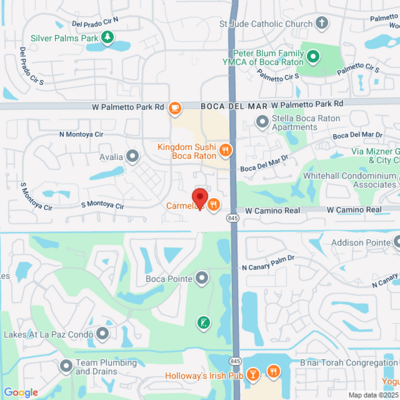
ThriveSky Therapy offers in-person therapy at our Boca Raton office as well as telehealth throughout Florida when it is clinically appropriate.
We offer a free consultation to help determine whether our practice is a good fit and whether in-person or telehealth therapy may be most appropriate based on the client's age, needs, and presenting concerns.
Supporting Your Child Through the New School Year
Back-to-school anxiety does not automatically mean that your child has an anxiety disorder.
Transitions can be uncomfortable, and some nervousness is a normal part of adjusting to something new.
What parents should watch for is whether the anxiety gradually improves as the school year gets underway or whether it begins controlling your child's choices, interfering with daily life, or preventing them from doing things they would normally be able to do.
Children do not need to feel completely fearless before they can move forward.
With support, they can learn that uncomfortable feelings are manageable and that anxiety does not have to make their decisions for them.
Therapy for Back-to-School Anxiety in Boca Raton, Florida
If your child or teen is struggling with back-to-school anxiety, school avoidance, separation anxiety, social anxiety, academic stress, or emotional regulation, ThriveSky Therapy can help.
ThriveSky Therapy provides in-person therapy in Boca Raton and telehealth services throughout Florida when clinically appropriate.
Our therapists work with children, teens, young adults, adults, couples, and families, with treatment tailored to each client's individual needs.
Contact ThriveSky Therapy to schedule a free consultation and determine whether our practice may be a good fit for your child or teen.