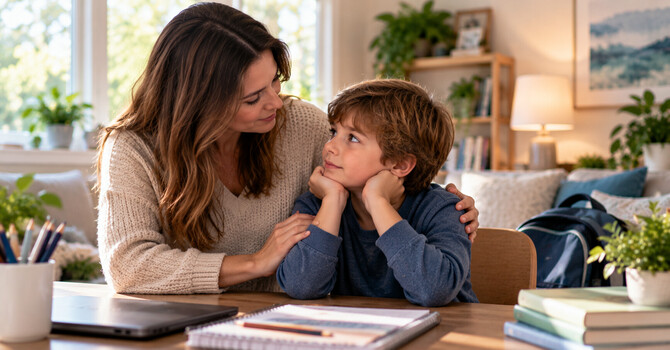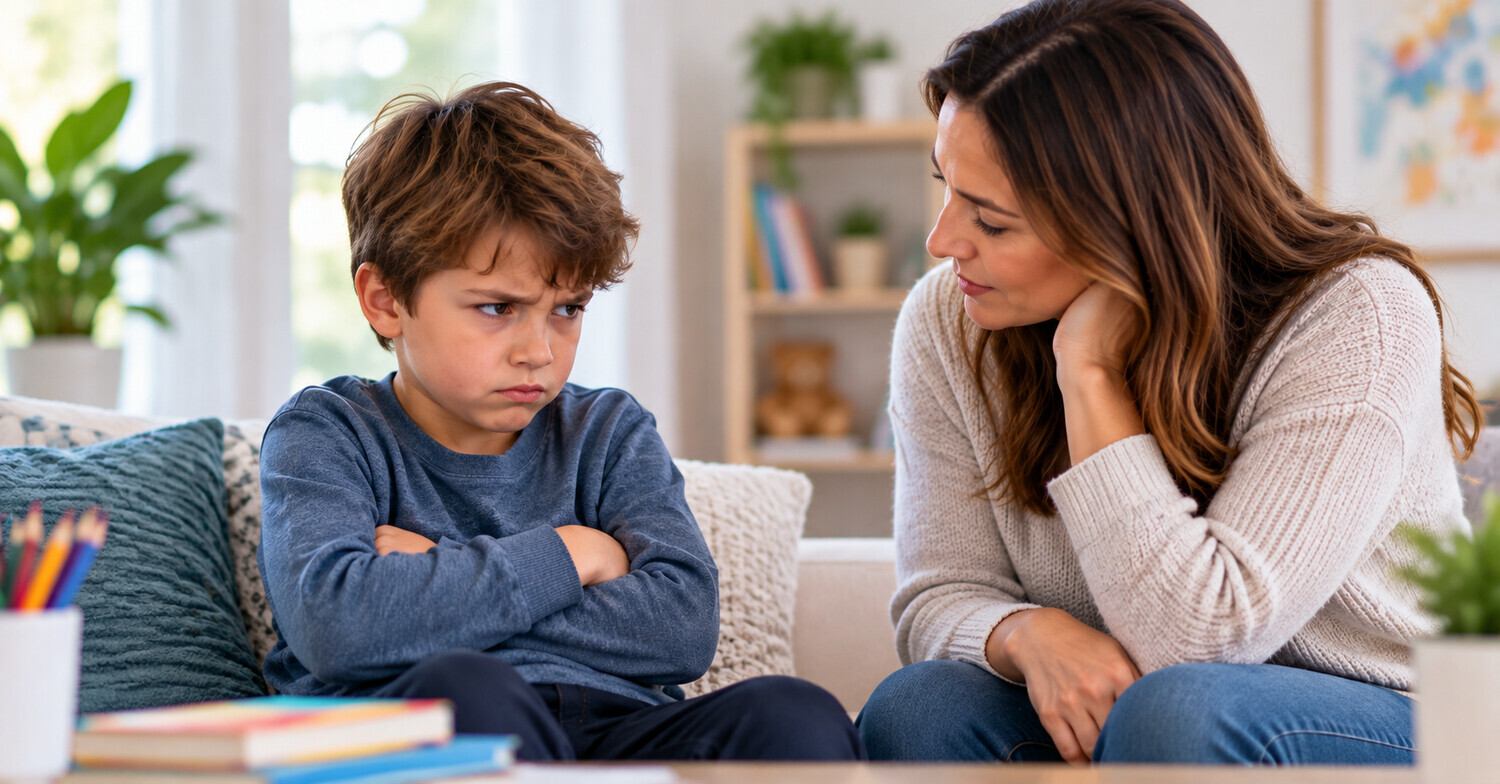
If it feels like your child is angry about everything lately, you may be wondering what happened.
A simple request turns into an argument. Homework ends in tears. Getting ready for school becomes a battle. Your child may yell, slam doors, become disrespectful, shut down, or seem to go from completely fine to overwhelmed in a matter of seconds.
For parents, it can be difficult to know what is normal frustration and what may be a sign that something more is going on.
At ThriveSky Therapy, we often remind parents that anger is not always the problem itself. Sometimes, anger is the emotion we can see while something else is happening underneath.
Understanding what your child’s anger may be communicating is an important first step toward helping them.
Why Is My Child Suddenly So Angry?
Children do not always have the words or even the awareness to explain what they are experiencing.
An adult might be able to say:
“I’ve been overwhelmed lately, I’m worried about school, and I need some time to decompress.”
A child may simply yell:
“Leave me alone!”
Anger can sometimes be a child’s way of expressing emotions that feel harder to identify or communicate.
Underneath anger, there may be:
- Anxiety or worry
- Sadness
- Frustration
- Embarrassment
- Feeling overwhelmed
- Difficulty with friendships
- Academic pressure
- Low self-esteem
- Family changes
- Grief or loss
- Feeling misunderstood
- Difficulty regulating emotions
This is why focusing only on stopping the angry behavior may not always solve the problem.
We also want to understand what is driving it.
Can Anxiety Look Like Anger in Children?
Absolutely.
Many parents expect childhood anxiety to look like fearfulness, excessive worrying, or a child saying, “I’m anxious.”
It does not always look that way.
For some children, anxiety may show up as irritability, arguing, avoidance, crying, shutting down, refusing to go somewhere, or becoming angry when asked to do something that feels uncomfortable.
A child who is anxious about school, for example, may not tell you they are worried about making a mistake or being judged by classmates.
Instead, mornings may become filled with arguments.
A child struggling socially may come home from school and become angry with siblings or parents—not because the family caused the distress, but because home is where the child finally feels safe enough to release everything they have been holding in.
This can be especially noticeable after the school year begins and children are adjusting to new teachers, academic expectations, extracurricular activities, friendships, and changing routines.
Why Does My Child Behave at School but Melt Down at Home?
This is a question we hear from parents often.
Your child’s teacher may tell you that everything seems fine at school, yet your child walks through the door and falls apart.
That does not necessarily mean the behavior at home is intentional.
Some children work incredibly hard throughout the school day to follow directions, manage frustration, navigate social situations, complete assignments, and keep their emotions together.
By the time they get home, their emotional resources may be depleted.
The result can be what looks like an emotional explosion over something very small.
Instead of asking only:
“Why are you behaving like this?”
It can sometimes be more helpful to wonder:
“What has my child been managing all day?”
That change in perspective does not mean ignoring inappropriate behavior or eliminating boundaries. Children still need expectations and limits.
It means responding to the behavior while also becoming curious about what may be underneath it.
Is Anger Normal in Children?
Anger is a normal emotion.
Children are still developing the skills needed to tolerate frustration, communicate needs, solve problems, manage impulses, and regulate strong emotions.
Occasional outbursts do not automatically mean that something is wrong.
What matters is the frequency, intensity, duration, and impact of the anger.
Consider whether you have noticed a significant change in your child.
Are the outbursts happening more frequently?
Are they becoming more intense?
Is your child struggling to calm down?
Is anger interfering with school, friendships, activities, or family relationships?
Does your child seem unhappy or overwhelmed much of the time?
Has the behavior continued despite your efforts to help?
These patterns can provide more information than any single bad day.
What Can Parents Do When a Child Is Angry?
When emotions are already high, lengthy explanations and lectures are rarely effective.
Start with regulation.
Depending on your child’s age and needs, that may mean giving them space, lowering your own voice, helping them take a break, using a calming strategy, or simply acknowledging what you are seeing.
You might say:
“I can see that you're really frustrated right now. We can talk about what happened when you're calmer.”
This validates the emotion without necessarily accepting the behavior.
Later, when your child is regulated, there is more opportunity to talk about what happened and help them identify the feeling, trigger, and response.
Over time, parents can help children develop healthier ways to communicate:
“I need a break.”
“I'm overwhelmed.”
“I'm worried.”
“I need help.”
Those are skills. And like other skills, they take practice.
When Should I Consider Therapy for My Child’s Anger?
There is no requirement that things become a crisis before reaching out for support.
You may want to consider speaking with a child therapist when anger or emotional outbursts are:
- Frequent or increasingly intense
- Affecting your child's relationships
- Creating significant conflict at home
- Interfering with school or activities
- Accompanied by significant anxiety, sadness, withdrawal, or behavioral changes
- Difficult for your child to recover from
- Creating stress for the entire family
- Not improving despite consistent support at home
Therapy can provide a space to better understand what is contributing to the behavior rather than simply labeling a child as “angry” or “difficult.”
How Child Therapy Can Help
Child therapy looks different from adult therapy.
Depending on a child's age, personality, and needs, therapy may incorporate conversation, play, creative activities, games, emotional identification, coping strategies, problem-solving, and parent support.
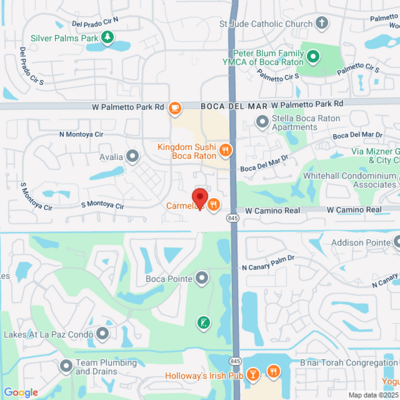
At ThriveSky Therapy in Boca Raton, we work with children, adolescents, and families experiencing anxiety, emotional regulation difficulties, school stress, behavioral concerns, family transitions, grief, and other challenges.
Our goal is not simply to stop a behavior.
We want to help children understand what they are feeling, develop healthier ways to communicate it, and build skills they can use outside of the therapy room.
We also believe parents are an important part of that process. Helping parents understand what may be contributing to a child's behavior can make it easier to respond consistently and support new skills at home.
In-Person Child Therapy in Boca Raton
For many children, the environment in which therapy takes place matters.
An in-person therapy setting allows children to connect with their therapist through play, conversation, activities, and natural interaction in ways that may be especially helpful for younger children.
At ThriveSky Therapy, in-person therapy remains an important part of our work with children and families.
Telehealth may also be appropriate for some children and adolescents. Rather than assuming one format works for everyone, we use the initial consultation to help determine whether in-person therapy, telehealth, or a hybrid approach may be the best fit based on the child's age, needs, and ability to engage.
Your Child’s Anger May Be Telling You Something
When your child seems angry all the time, it is understandable to focus on the behavior you want to change.
But sometimes the more important question is:
What is my child having difficulty telling me?
Anger may be frustration. It may be anxiety, sadness, overwhelm, or a response to something your child does not yet know how to put into words.
Understanding what is underneath the anger can help parents respond differently not by removing expectations or boundaries, but by helping children develop the emotional awareness and coping skills they are still learning.
If you are concerned about changes in your child's mood, behavior, or ability to manage emotions, ThriveSky Therapy offers child and adolescent therapy in Boca Raton, Florida, with telehealth options available throughout Florida when appropriate.
A free consultation can help you talk through what you are noticing and determine whether therapy may be a good fit for your child and family.
But What Happens When Your Child Becomes a Teenager?
As children move into adolescence, emotional expression often changes.
The meltdowns or outbursts you saw when your child was younger may begin to look different. Your teenager may seem more irritable, impatient, argumentative, easily frustrated, or annoyed by seemingly small things.
And that can leave parents with a new question:
Is this just normal teenage moodiness—or is my teenager struggling with something more?
Just as anger in younger children can have emotions underneath it, irritability in teenagers can sometimes be connected to stress, anxiety, academic pressure, relationships, lack of sleep, depression, or simply feeling overwhelmed.
Knowing what is typical during adolescence—and what deserves a closer look can help parents decide how to respond.
Next in our Child & Teen Emotional Health Series: Why Is My Teenager So Irritable?