Divorce is rarely just a legal event. It's an emotional earthquake, one that reshapes routines, relationships, and identity all at once. Whether you're the one who initiated the separation or the one who didn't see it coming, whether you're a parent watching your children struggle or a teenager trying to make sense of a divided home, the impact of divorce runs deep.
Divorce therapy isn't just for people falling apart. It's for people who want to move through one of life's hardest transitions with clarity, support, and intention. At ThriveSky Therapy in Boca Raton, we work with the whole family, including individuals, parents, children, teens, and co-parenting partners, because divorce doesn't happen to just one person.
What Is Divorce Therapy and Who Is It For?
Divorce counseling is a focused form of therapy designed to help people process the emotional, relational, and practical upheaval that comes with the end of a marriage. It's not about assigning blame or relitigating the relationship. It's about helping you and your family find solid footing on the other side.
At its core, therapy for divorce helps people work through:
- Grief, loss, and identity disruption
- Anxiety and depression triggered by uncertainty
- Anger, resentment, and unresolved hurt
- Fear about finances, custody, and the future
- Rebuilding a sense of self and purpose
A common misconception is that divorce therapy is only for the couple. In reality, divorce support is often most valuable for the individuals moving through it and for the children caught in the middle.
The Emotional Weight Adults Carry
When a marriage ends, the psychological toll on adults is significant and often underestimated. Even when divorce is the right choice, it can trigger profound grief. People often describe it as mourning a future that no longer exists: the life they imagined, the partner they thought they knew, or the version of themselves that existed within the marriage.
For many people, divorce surfaces or intensifies anxiety and depression. Sleep deteriorates. Concentration falters. Even basic decisions feel overwhelming. Some people find themselves oscillating between relief and despair in the same afternoon.
Working with a divorce therapist during this time isn't a luxury. It's often what makes the difference between emerging stronger or staying stuck. Individual therapy provides a private, consistent space to process what you're feeling, challenge distorted thinking, and start building clarity about what comes next.
If trauma is part of the picture, such as a high-conflict marriage, emotional abuse, or a betrayal that fractured trust, EMDR therapy can be particularly effective for processing those deeper wounds.
Co-Parenting After Divorce: Where Therapy Matters Most
One of the most challenging dimensions of divorce is learning to co-parent, not as partners, but as two separate adults with a shared responsibility. Old wounds don't disappear just because a legal agreement is signed. Communication patterns that fueled conflict in the marriage often follow couples into co-parenting.
Effective co-parenting after divorce isn't about pretending the hurt doesn't exist. It's about building a new structure around the children, one that keeps them out of the crossfire and gives them permission to love both parents freely.
Therapy can help co-parents:
- Move from reactive to intentional communication
- Establish consistent boundaries and household expectations
- Separate their role as an ex-spouse from their role as a parent
- Navigate disagreements without pulling children into the conflict
This kind of work is also directly supported through parenting support, where parents can develop practical strategies for raising emotionally healthy kids through and after the transition.
Divorce Therapy for Kids: Supporting Children Through the Transition
Children don't have the words for what divorce does to them. What they have is behavior: acting out, withdrawing, regressing to younger habits, performing "fine" while quietly falling apart.
Divorce therapy for kids gives children a safe, neutral space to express what they're feeling without worrying about upsetting mom or dad. A skilled child therapist can help kids:
- Name and process emotions they don't yet have language for
- Understand that the divorce is not their fault
- Build coping strategies for the transitions between homes
- Maintain a healthy attachment to both parents
Child therapy at ThriveSky is designed to meet children where they are, using age-appropriate approaches that help them build emotional resilience, not just manage the immediate crisis.
Therapy After Divorce: Supporting Teens Through a Family Split
Teenagers experience divorce differently than younger children, and often more intensely. Adolescence is already a period of identity formation, shifting peer relationships, and heightened emotional sensitivity. Add a family fracture to that mix, and teens can struggle in ways that aren't always obvious.
Some teens respond to divorce care needs by internalizing, becoming withdrawn, anxious, or depressed. Others externalize through conflict, risky behavior, or shutting down at school. Many oscillate between the two. Research has found that adolescents from high-conflict divorces are at elevated risk for mental health challenges if left unsupported.
Therapy after divorce for teens is not about getting them to accept the situation. It's about helping them process it honestly while maintaining their sense of self and connection to both parents. Teen therapy provides a confidential space where adolescents can be real about what they're feeling without managing the emotions of the adults around them.
A Whole-Family Approach to Divorce Support
What makes ThriveSky Therapy's approach to divorce support distinct is that we see the whole system, not just the individual in pain. Divorce is a family-level event, and healing often requires support at multiple levels simultaneously.
That might look like a parent working individually on their grief and anxiety while their child receives child therapy. It might mean co-parents engaging in family therapy to restructure how they communicate. It might involve a teen working with a therapist while their parent works with a parenting support specialist. At ThriveSky, we can coordinate care across family members so that support is connected, not fragmented.
We also collaborate with community professionals when needed, including guardian ad litems and family law professionals, to ensure therapy is informed by the full context of your situation.
You Don't Have to Navigate This Alone
Divorce is hard. Being unsupported through it is harder. Whether you're at the beginning of the process, still deciding what to do, or years out from a separation and still carrying the weight of it, therapy can help.
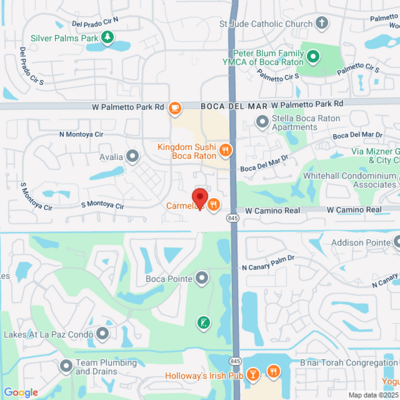
If you're in Boca Raton or anywhere in Florida, ThriveSky Therapy is here. We offer in-person sessions at our Boca Raton office and telehealth services throughout Florida, so support is accessible wherever you are.
Reach out today to schedule a consultation. Whether you're looking for a divorce therapist for yourself, support for your children, or help navigating co-parenting, we're ready to meet your family where you are.
Contact ThriveSky Therapy or book directly online to get started.