Helping Children with Separation Anxiety: What They Need Most
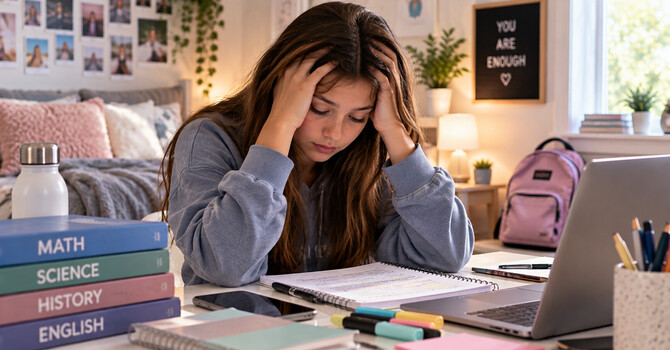
Separation anxiety in children can feel overwhelming — not only for kids, but for parents too. When children are struggling, it’s natural for loving adults to want to immediately fix the problem, ease the distress, or rescue them from difficult feelings.
But often, the most helpful responses are simpler than we think.
1. Validation Helps Children Feel Safe
One of the most important ways to support children with separation anxiety is through validation.
Children need to feel heard and understood before they can begin calming their nervous systems. Statements like:
-
“I can see this feels really hard for you.”
-
“You’re feeling nervous about being away from mom.”
-
“That makes sense.”
can go a long way.
Well-intentioned adults sometimes rush into problem-solving or reassurance:
-
“There’s nothing to worry about.”
-
“You’ll be fine.”
-
“Don’t think like that.”
While these responses come from love, they can unintentionally send the message that anxiety itself is something dangerous or unacceptable.
Validation helps children feel less alone. When children feel emotionally seen and understood, they often begin to experience a greater sense of safety.
2. Consistency and Structure Create Security
Children thrive on consistency.
For many anxious children:
Consistency + Structure = Safety
Children often test boundaries when they feel anxious:
-
“Can I stay up just a little later?”
-
“Just one more piece of candy?”
-
“Pleeeease can I have 10 more minutes of screen time?”
This testing is not manipulation. Often, it is a child asking:
"Are my grown-ups going to keep me safe and steady, even when I’m struggling?"
Calm, consistent limits help children feel secure:
-
“This is the rule.”
-
“The plan stays the same.”
-
“My job is to keep you safe and healthy.”
Children feel safer when adults remain steady, calm, and predictable.
3. Stay Emotionally Available
Children with separation anxiety do not need perfect caregivers. They need emotionally available ones.
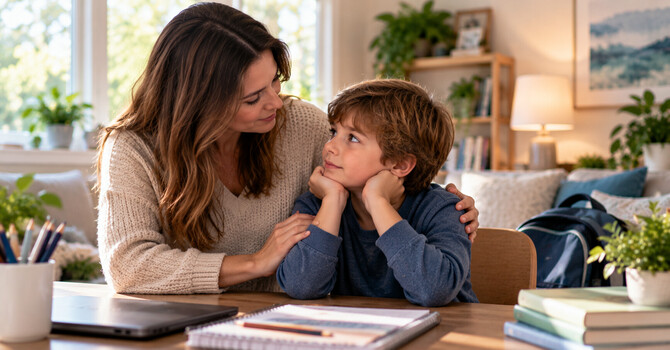
When children are upset, it helps to know their grown-up can stay calm, connected, and present:
-
“I’m right here with you.”
-
“You’re having a hard moment.”
-
“If you want a hug, to talk, or just sit quietly together, I’m here.”
These moments of connection help children build trust in both themselves and their caregivers over time.
The Takeaway
When helping children with separation anxiety, three things matter most:
-
Validation
-
Consistency and Structure
-
Emotional Presence
When children feel seen, safe, and supported, they become better able to tolerate difficult feelings and gradually build confidence separating from the people they love most.
Healing and confidence do not happen overnight, but with patience, connection, and consistency, children can learn that they are safe, capable, and supported — even during hard moments.
Connection first. Growth follows.
Written by Hillary Barker, RCSWI
May 25, 2026